
Every part of your agency, tracked in one system.
Cosmentum has one home for each kind of work. Here is what each one does and why it is shaped the way it is.
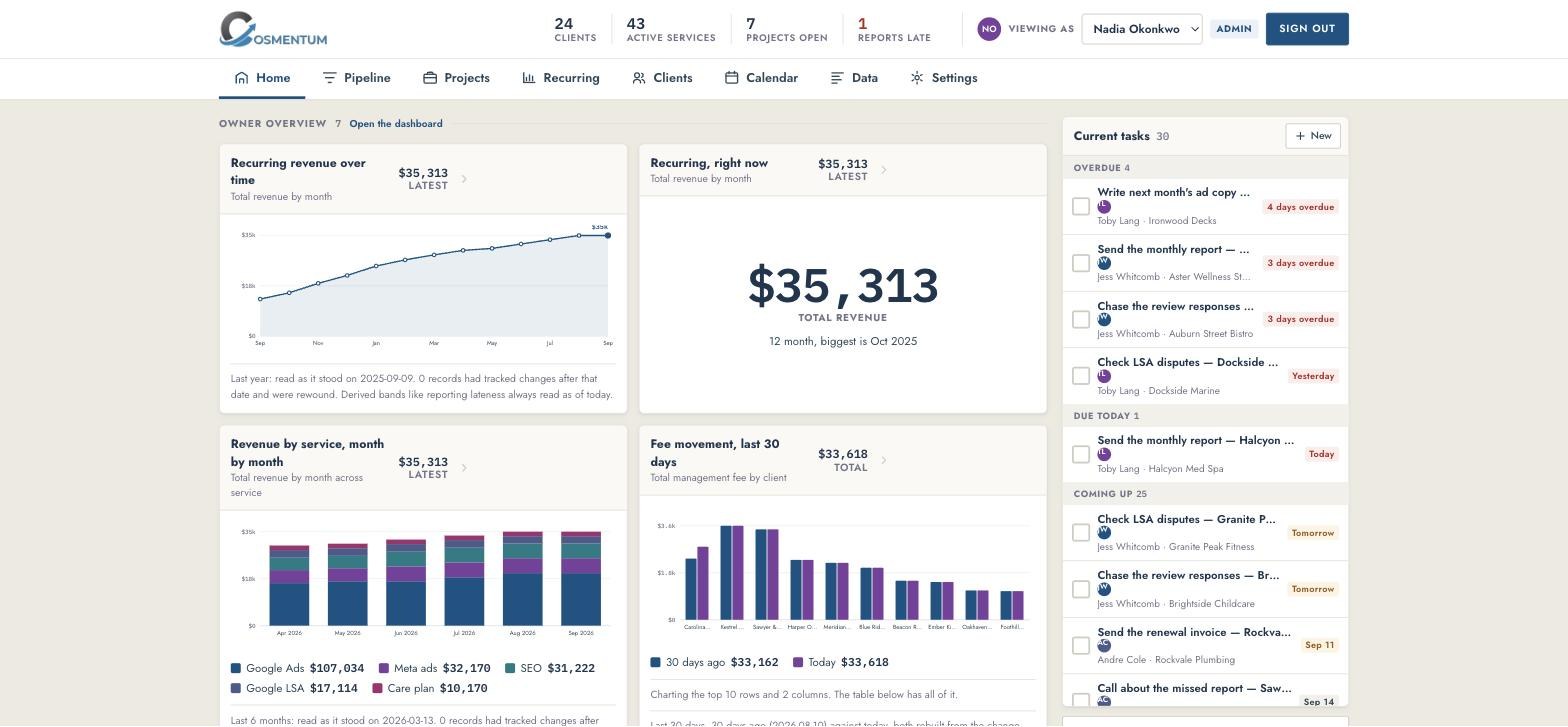
Your home screen shows what is late and what is due today
Clients, active services, projects open and reports late sit in the header of every page. Under them, your tasks, split into overdue, due today and coming up, each one tied to a client.
Every role gets its own home. The owner sees the whole book. An account rep sees their clients and nothing else. Each home is made of report panels, and each panel runs against the seat looking at it, so one dashboard tells four people the truth about their own work.
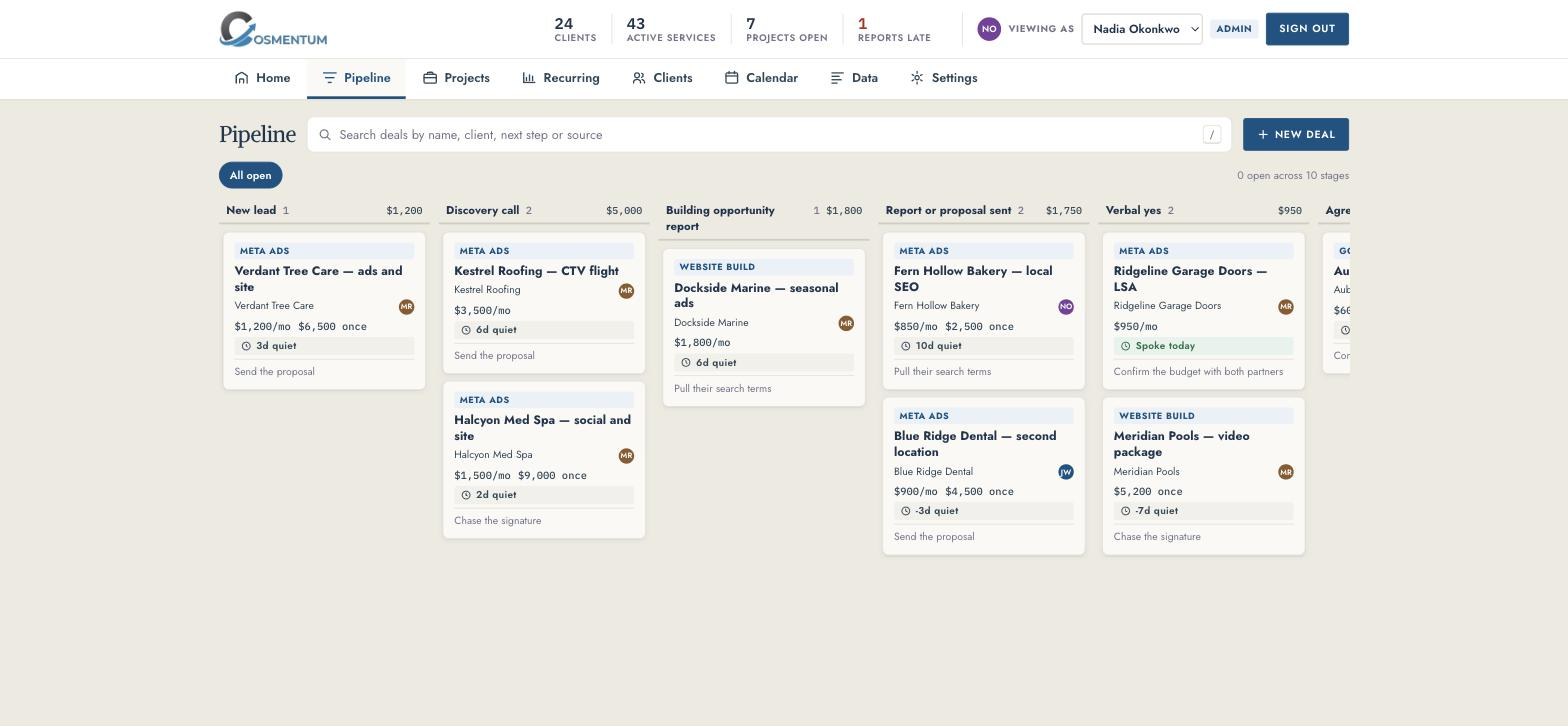
Every deal by stage, and how long it has gone quiet
Every deal shows the kind of work, the source it came from, what it is worth a month and how long since anyone touched it. A deal that has sat for 119 days is flagged in red, so a stale pipeline stops looking healthy.
When a deal is won it becomes a project, a campaign or a care plan. The kind of work decides which. A business profile job asks, because it might be a one time cleanup or ongoing local SEO.
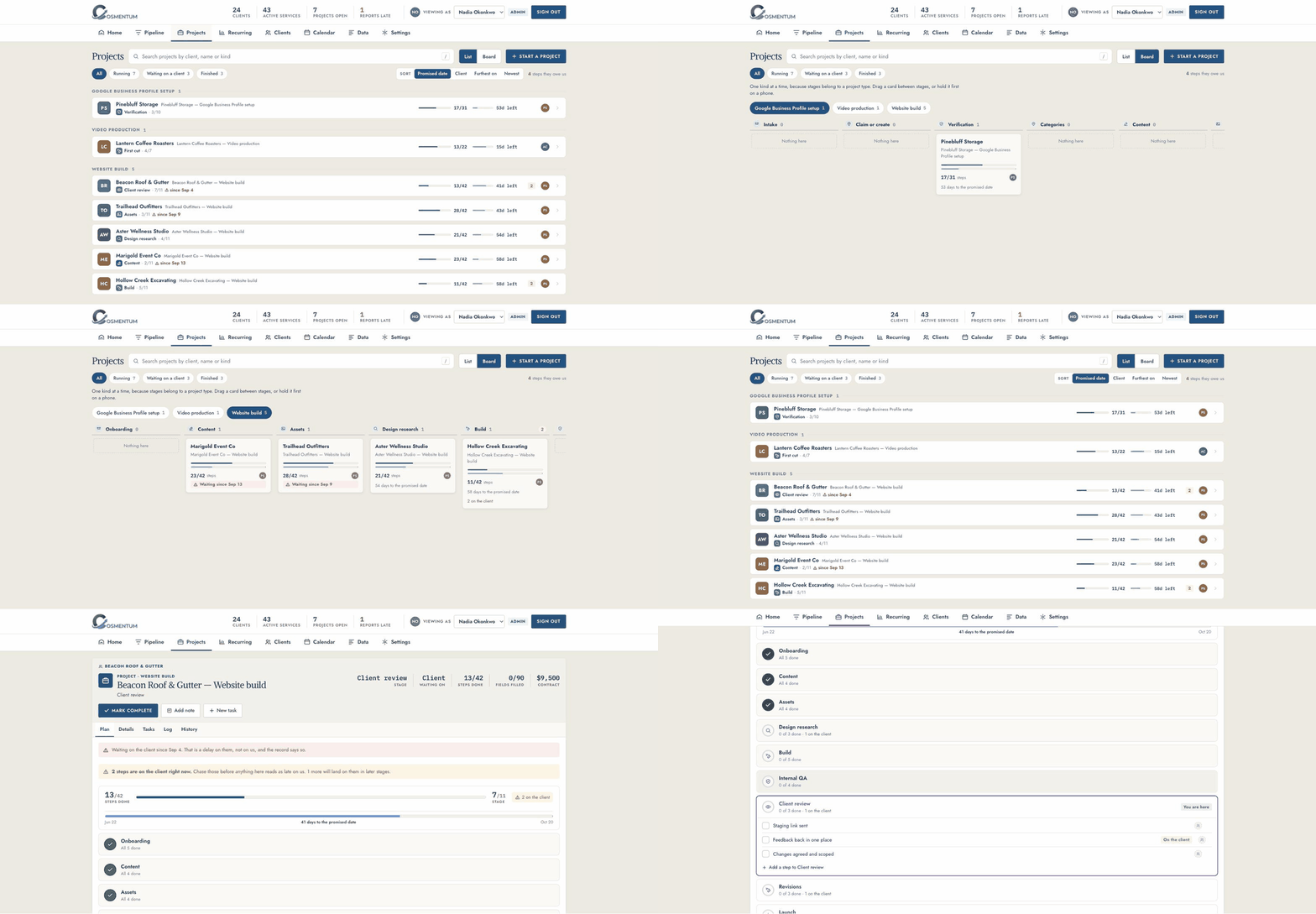
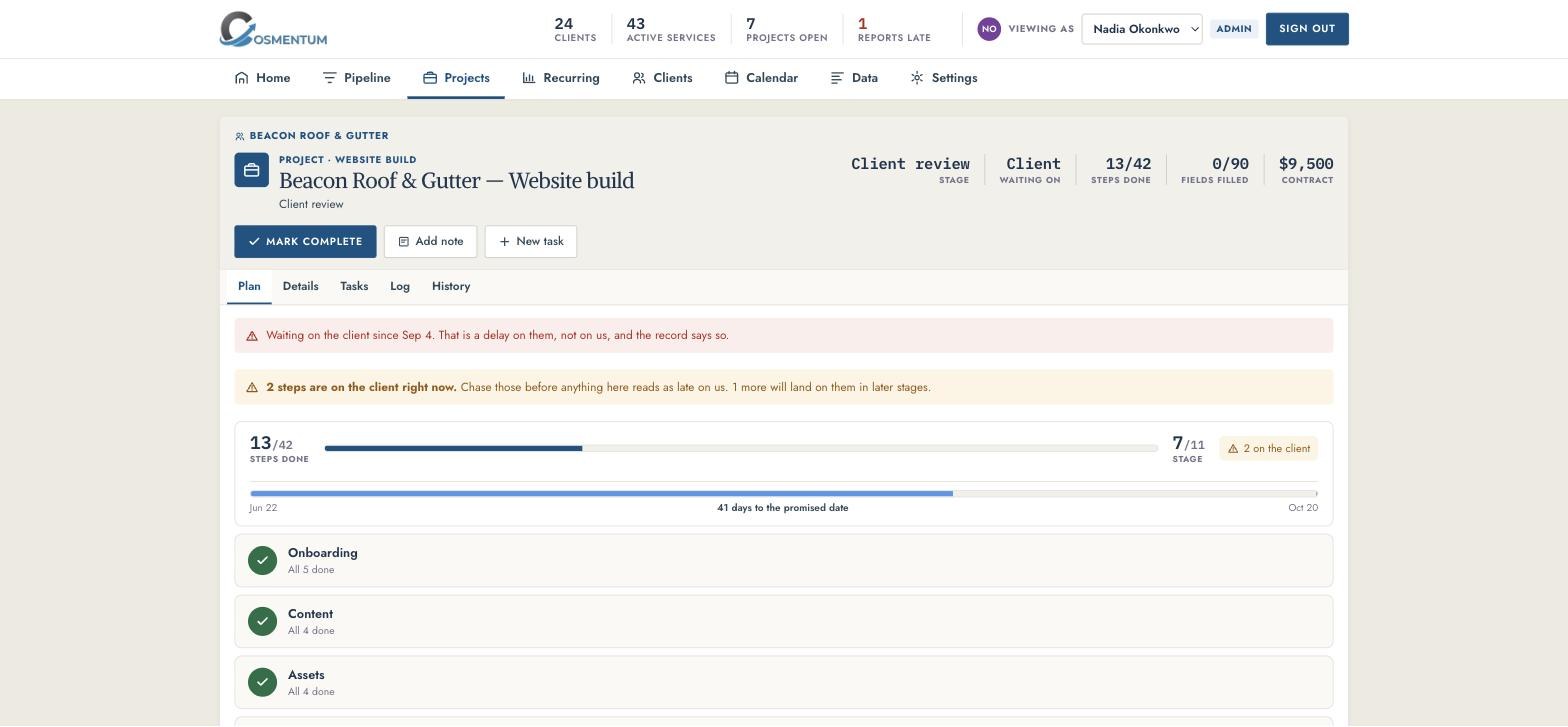
Every website build tracked against the date you promised
A project takes a copy of a plan when it starts. Website build ships with four: a local services site, an online store, a multi location rollout and a rebuild on an existing site, 42 to 57 steps each. Improving a plan on a Tuesday never changes a build already halfway out the door.
Only the stage you are on is open. Every tick says who did it and when. Steps the client owes are marked, and only the ones you could chase today are counted as blockers, so the number is one people trust instead of scroll past.
A list groups by type with each plan in miniature. A board shows one type at a time. Finished projects stay on the board in the stage they ended in, drawn as done and counted apart.
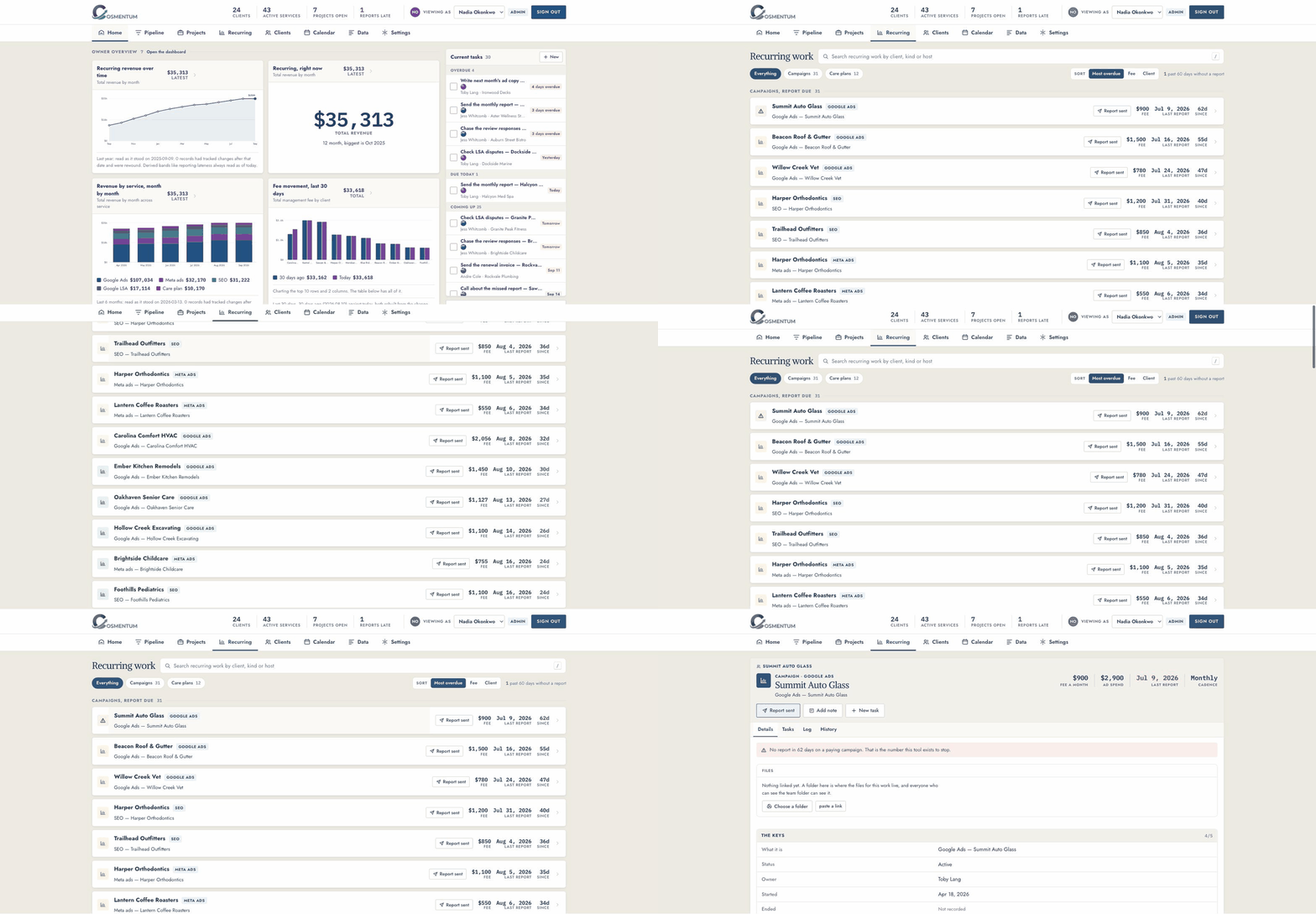
Monthly reports and care plan checklists, never missed
A campaign records its fee, its cadence, and the date each report went out. Mark a report sent and the clock resets. The list sorts by how long it has been, and the header counts everything past 60 days.
A care plan is hosting, maintenance, backups, security. Nobody sends a report on a backup. Each plan carries a monthly checklist instead, and the record shows how many checks are still open.
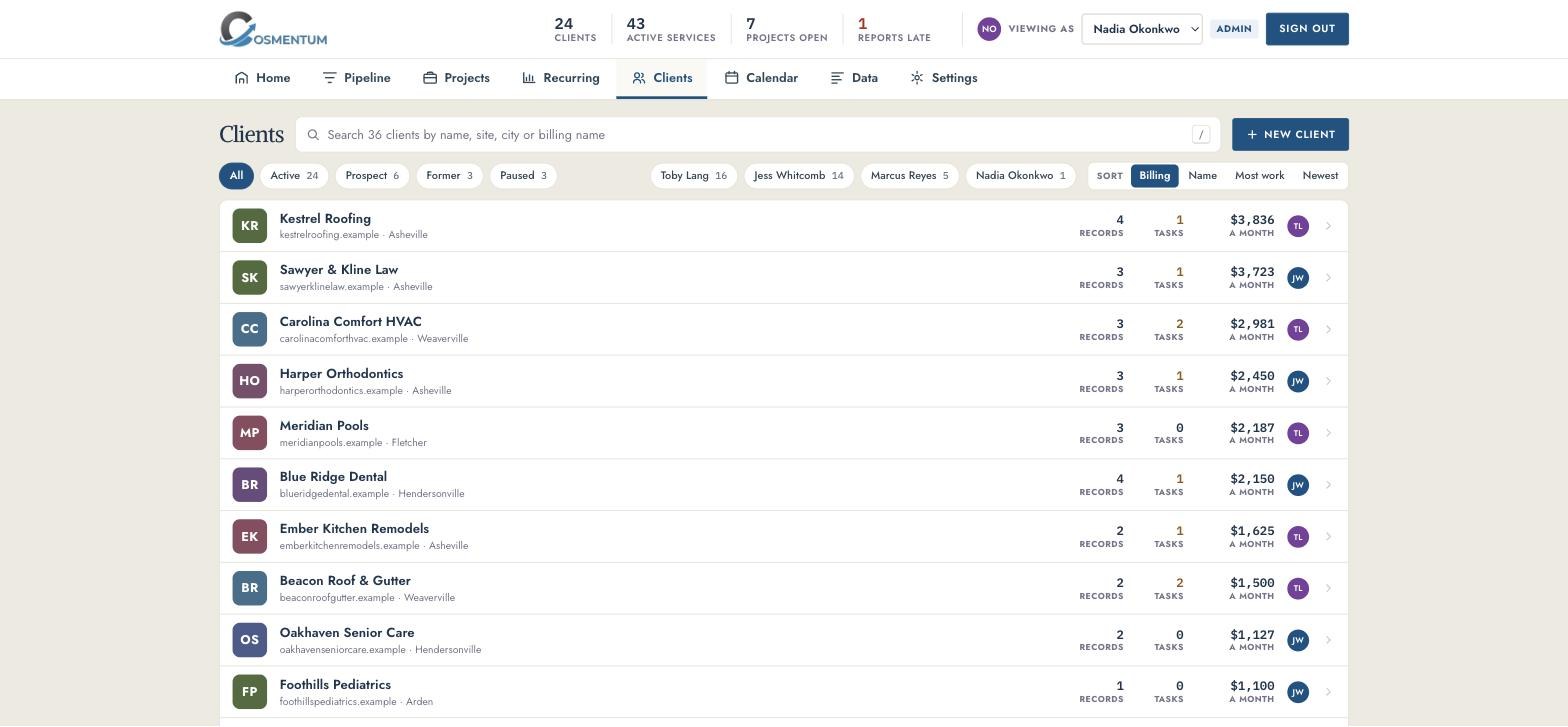
Every client and what they pay you each month
Every client with its owner, how many records hang off it, open tasks, and what it pays a month across every service. Sort by billing, by name, by most work or by newest. Contacts, notes and a timeline of calls, emails and reports sent live on the record.
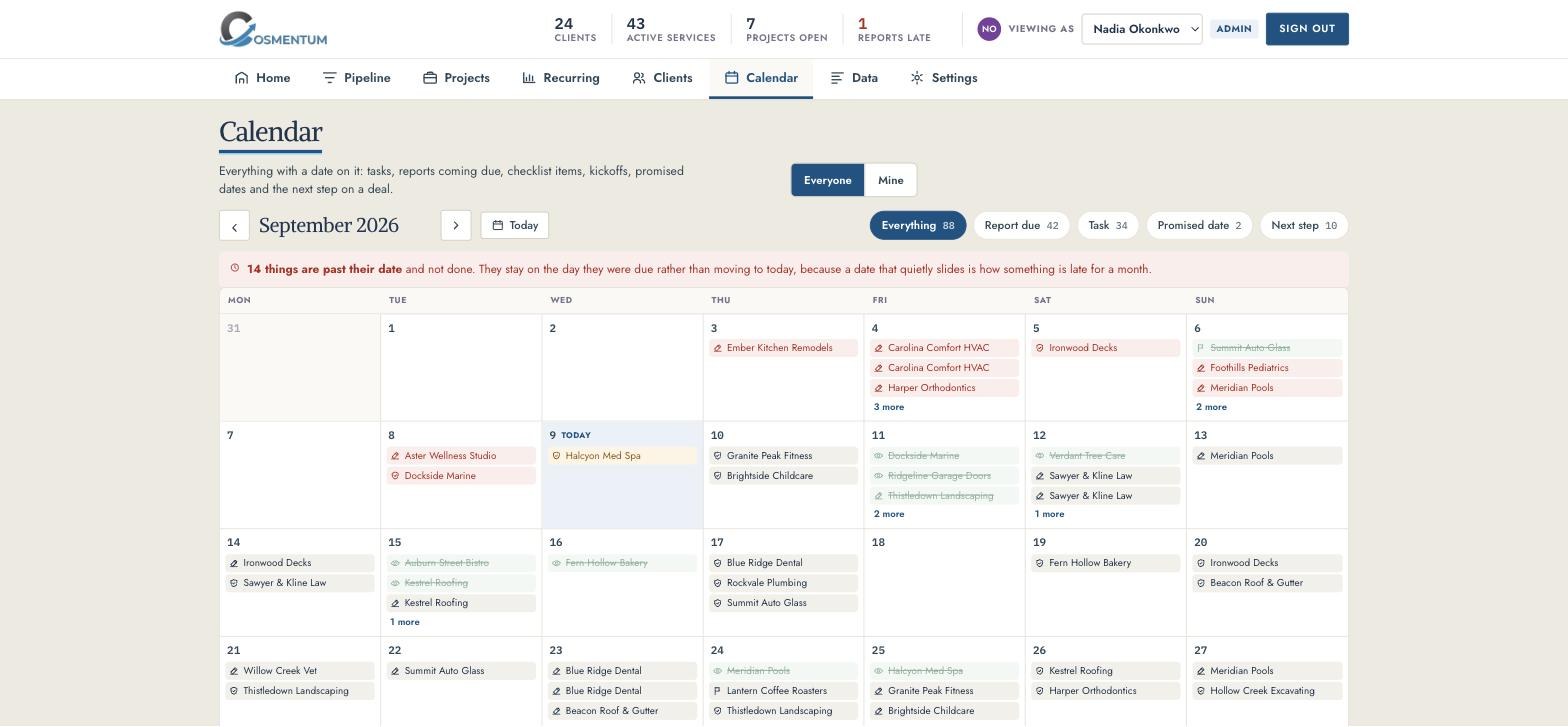
One calendar for every due date
Tasks, reports coming due, checklist items, kickoffs and promised dates on one month view. Past due items stay on the day they were due instead of sliding to today, because a date that quietly slides is how something is late for a month.
Control what each team member can see and change
Twenty one permissions decide what a seat can open, see and change. Turn one off and the tab disappears and the route closes with it. A project manager can be kept away from the pipeline and fees. An account rep can see only their own clients.
Add your own fields without a developer
A field is a row in Settings, not a column in code. Each one has a real typed value behind it, so a number you add can be totaled and a picklist can be grouped. Rename a field and every saved report keeps working.
Every change is saved, nothing is overwritten
Change a fee, a stage, an owner or a date and the old value is written down with who changed it and when. That is what lets any report be asked what stood on a given date.
How reporting uses itFile storage never raises your price
Your plan is set by how many paying clients you have, never by how many files you keep. Prospects and former clients are never counted. Starter includes 25 GB and another 100 GB is $29 a month if you ever need it.
Run your agency on the system Imperium runs on.
Starter is free for up to 50 paying clients. Founder 25 seats are $18 a month, for life.